 LMS
LMS- Join Our Top-Rated Full Stack Developer Training Institute to Learn Web Developer.
- Complete Full Stack Developer Training Covers HTML, CSS, React, Node.js and MongoDB.
- Work on Real-Time Projects and Build Job Ready Skills with Practical, Hands-On Experience.
- Learn at Your Own Pace of Flexible Options Weekday and Weekend Batches Available.
- Get Our Full Stack Developer Certification Course With Placement Support.
- Receive Expert Guidance on Resume Building, Interview Preparation & Career Planning.
Join Our 100% Job Guaranteed
Best Full Stack Developer Course
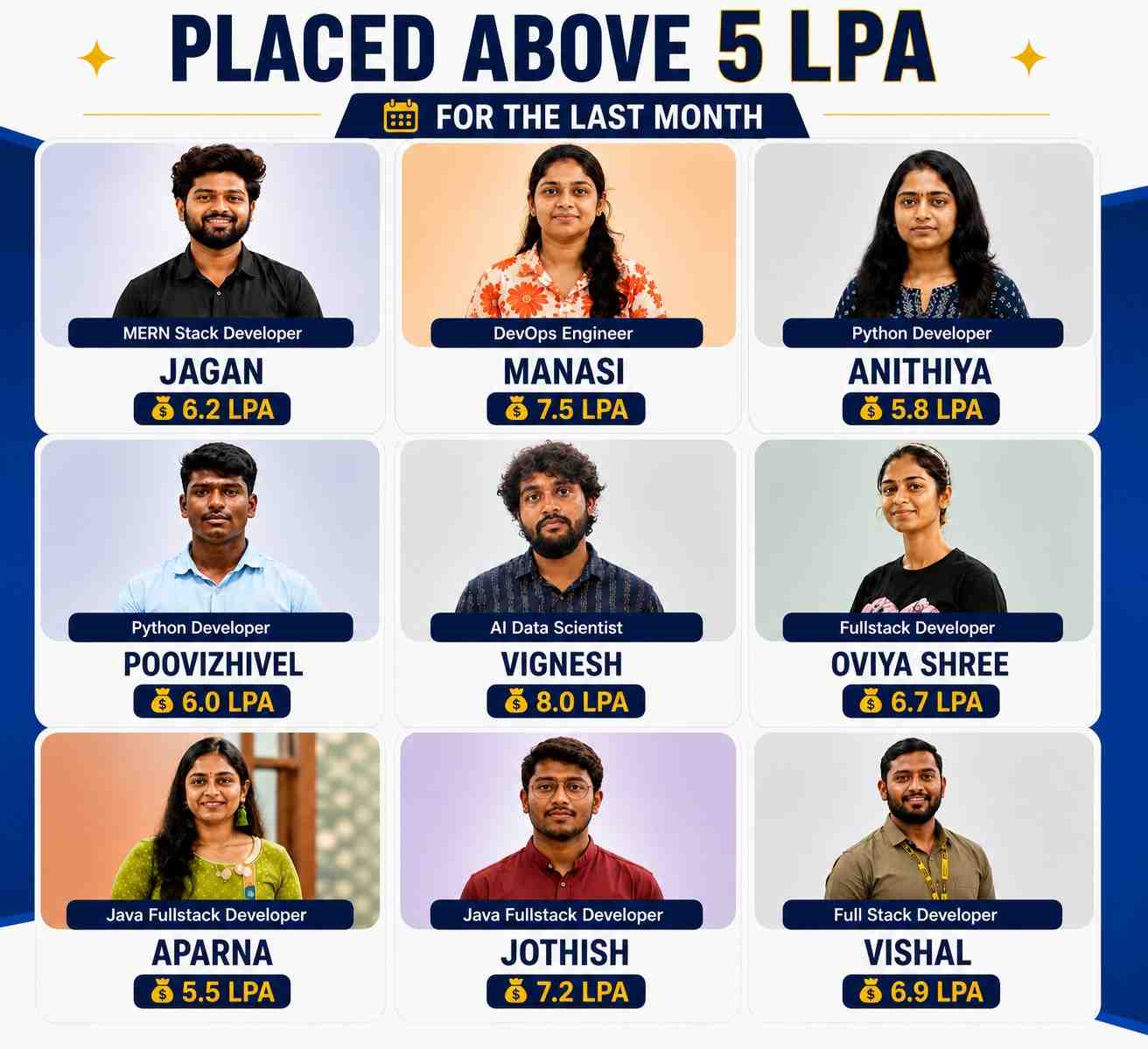
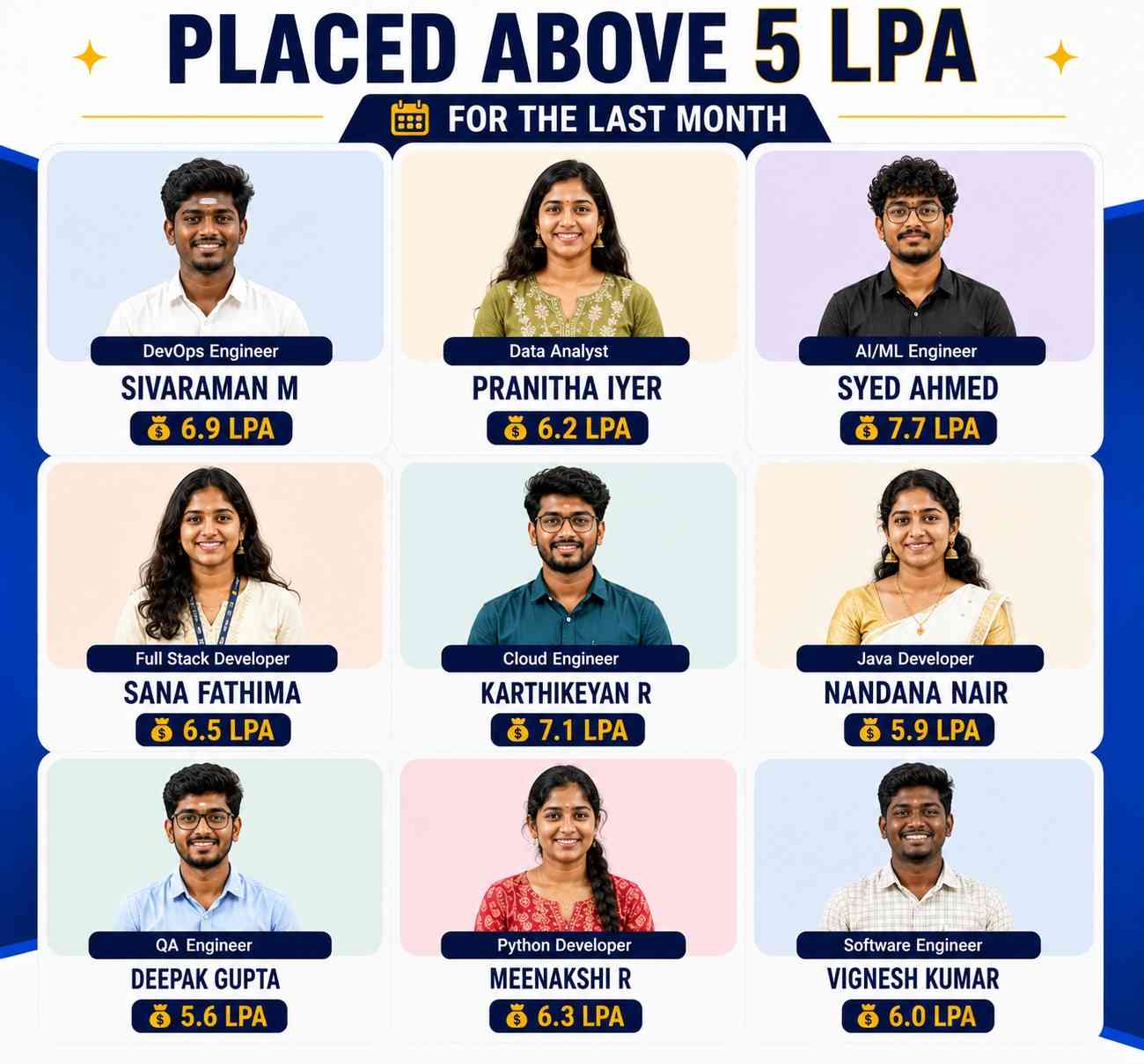
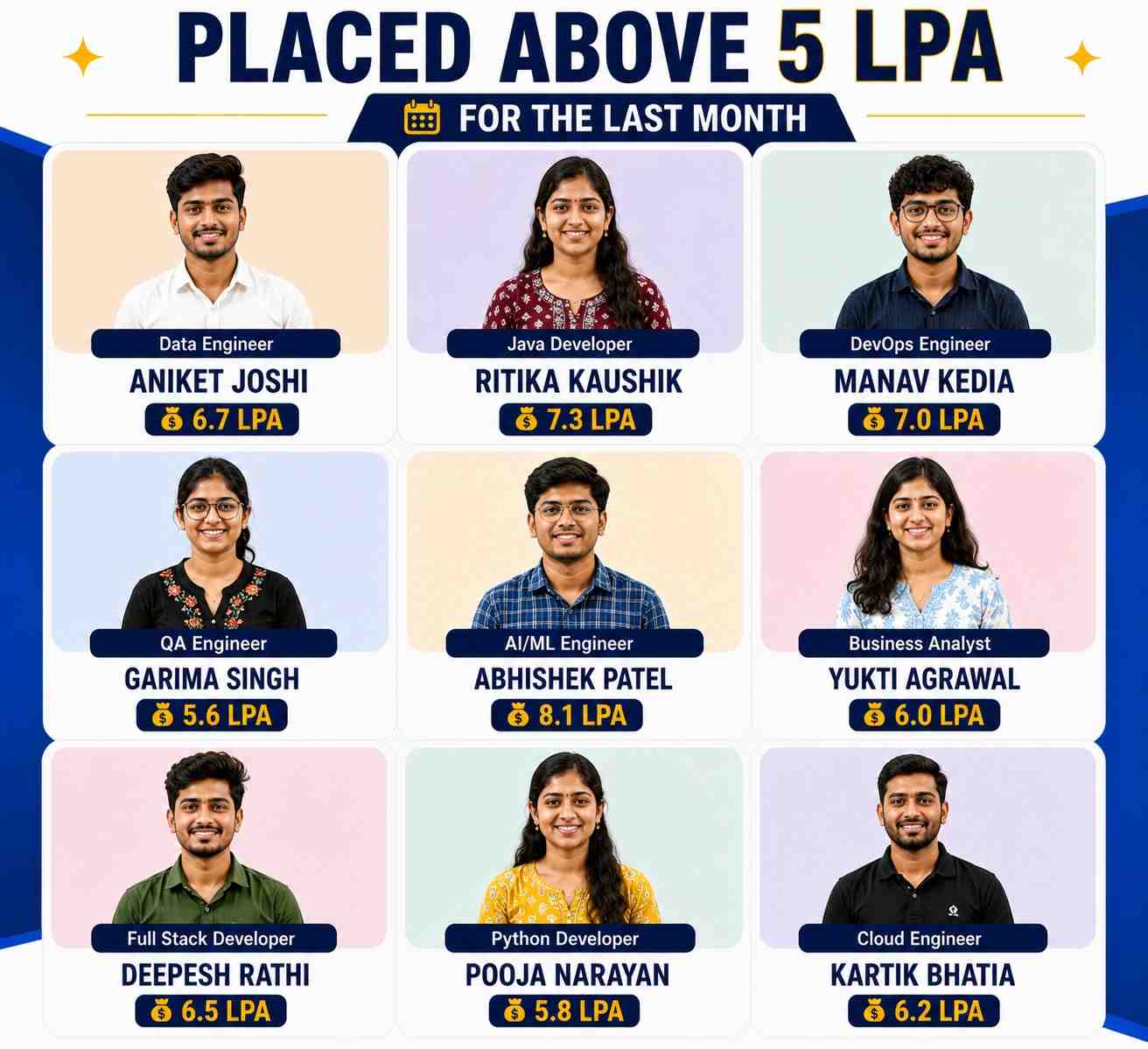
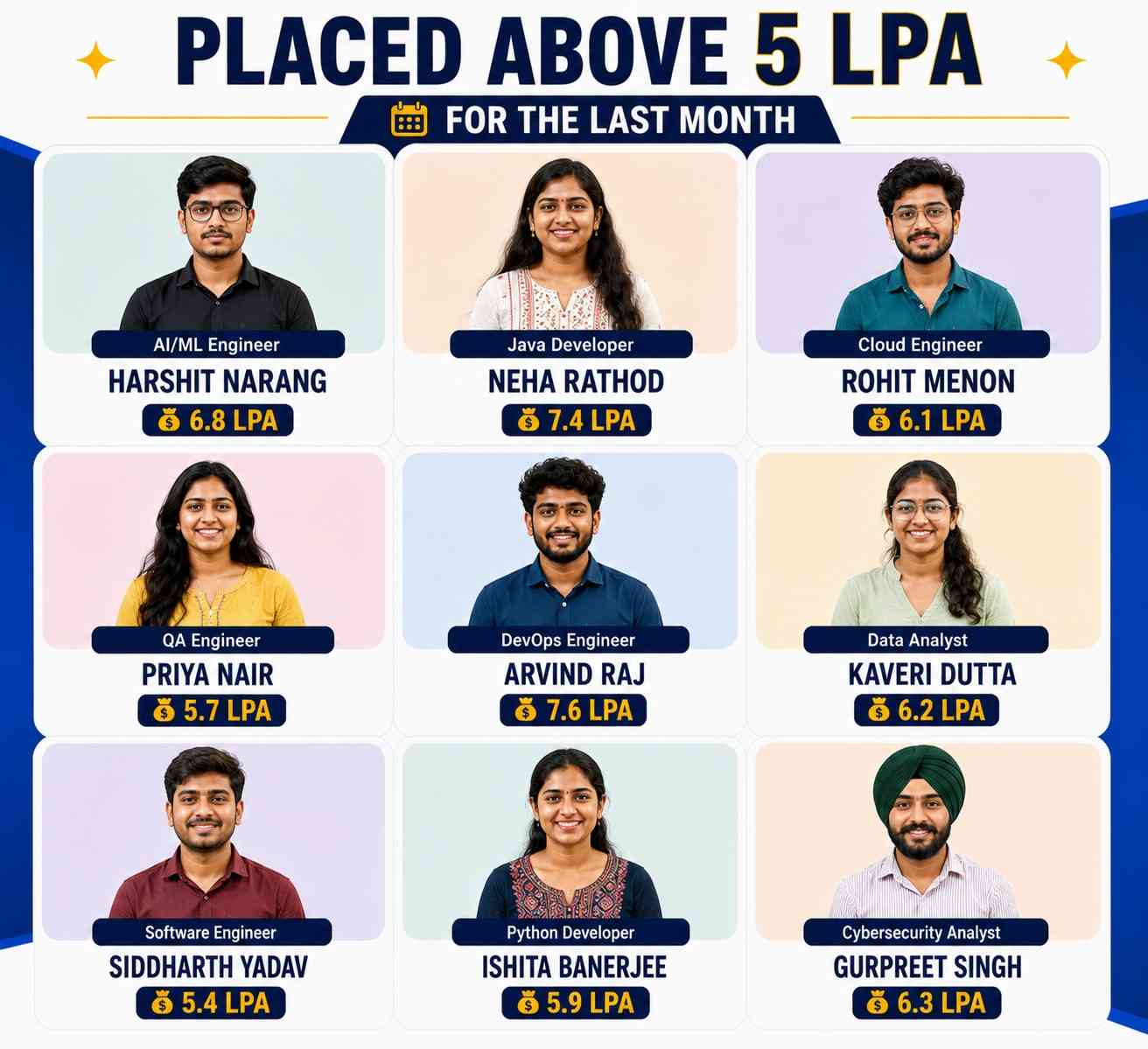
Explore Active Opportunities on
 by ACTE
Live
1000+
Jobs and Internships
Quality Training With Affordable Fees!
 Fees Starts From
INR
36,000
INR 16,500

11488+
(Placed)
5415+
(Placed)
7748+
(Placed)
3698+
(Placed)We Offer Both Online and Classroom Training in Chennai & Bangalore.
Our Hiring Partners

Overview of Full Stack Course
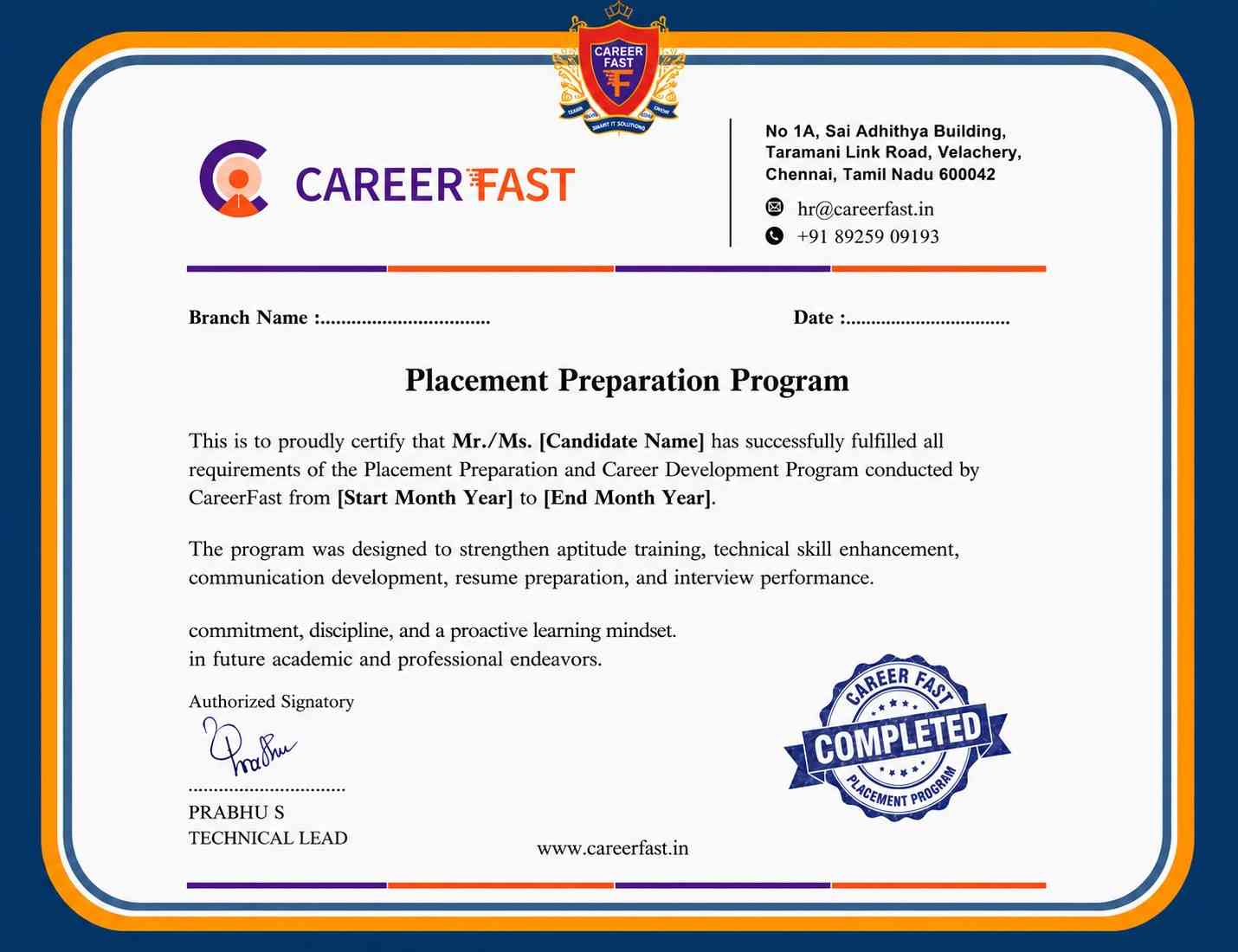
Our Full Stack Developer Training teaches you both front-end and back-end skills through simple, practical lessons. This Full Stack Developer Course covers key skills like HTML, CSS, JavaScript, React, Node.js, Express, MongoDB and Git. You'll also earn a Full Stack Developer Certification and gain hands-on experience through our Full Stack Developer Internship. Plus, we offer a 30-Day Placement Preparation Program with resume building, job portal updates, daily job applications, mock interviews, HR support and soft skills training to help you get hired faster.
What You’ll Learn From Full Stack Developer Certification Training
- Learn the basics of Full Stack Development, including front-end (HTML, CSS, JavaScript) and back-end (Node.js, Express) technologies.
- Understand how to develope dynamic websites and web applications using tools like React, MongoDB and Git.
- Get hands-on experience through our Full Stack Developer Training with real-world projects based on current industry needs.
- Master important concepts like API integration, database management and responsive design for practical use.
- Grow from beginner to advanced level by building full-stack applications step-by-step with expert guidance.
- Earn an industry-recognized Full Stack Developer Certification and boost your job opportunities with expert-led training.
Additional Info
Course Highlights
- Master HTML, CSS, JavaScript, React, Node.js, Express and MongoDB in one complete Full Stack Developer Course.
- Get 100% job placement support with access to top hiring companies across industries.
- Join 11,000+ learners placed successfully through our 350+ hiring partners.
- Learn directly from industry professionals with 10+ years of real-world development experience.
- Benefit from flexible class timings, affordable fees and lifetime learning access.
- Gain insights from 650+ tech experts on one powerful learning platform.
- Shaping careers in both classroom and online modes across 9+ branches in Chennai and Bangalore.
Exploring the Benefits of in Full Stack Training
- All-in-One Skillset – A Full Stack Developer Course teaches you both front-end and back-end development. You will work with tools like HTML, CSS, JavaScript, React, Node.js and MongoDB. This makes you a complete developer who can handle all parts of a web application.
- Better Job Opportunities – With skills from the Full Stack Developer Course in Chennai and Bangalore, you become a strong candidate for many tech jobs. Companies love hiring developers who can manage both client and server-side tasks. You’ll be open to roles like Web Developer, Full Stack Developer, or Software Engineer.
- Hands-on Learning – The Full Stack Developer Training includes real-time projects and coding practice to help you learn by doing. Instead of just reading or watching, you will build complete web apps step-by-step. These practical tasks help you understand the code works in real life You’ll learn to fix problems, test features and work with tools used by real developers.
- Placement Support – After completing the course, you will receive full placement assistance. This includes resume building, mock interviews, job portal setup and daily job updates. You’ll get help from experts to prepare for interviews and boost your chances of getting hired. Our team also provides career guidance and HR support throughout your job search.
Exploring Advanced Tools of Full Stack Developer Course
- HTML (HyperText Markup Language) – The basic element of every website is HTML. It helps structure content like headings, paragraphs, images, and links. Without HTML, web pages cannot be created or displayed properly in a browser. It tells the browser what each part of the page means.
- CSS (Cascading Style Sheets) – CSS is used to styling and design the web pages. It controls HTML elements look like colors, fonts, spacing and layout. With CSS, developers can make websites look modern and user-friendly. It separates design from content which makes coding easier to manage.
- JavaScript – A programming language called JavaScript adds interactivity to websites. It allows you to add features like forms, sliders, popups and animations. It works on the browser (front end) and can also run on servers using tools like Node.js. JavaScript is essential in full stack development because it connects design with functionality.
- Node.js – Node.js allows JavaScript to run on the server side. It helps build the backend of web applications, handling tasks like data storage, user authentication and server communication. Its fast and efficient, which makes it perfect for building scalable apps. Node.js is a key tool in full stack development for handling server operations.
Top Frameworks Every Full Stack Developer Should Know
- React.js – React is a front-end JavaScript library developed by Facebook. It helps developers build user interfaces using reusable components making coding faster and more efficient. It updates the page automatically when data changes so users always see the latest information React is widely used in modern web apps like Instagram and Facebook.
- Node.js – JavaScript may be run on the server side with Node.js, an effective runtime environment. Its used for building scalable and fast back-end applications. It makes development easier because the front-end and back-end are written in the same language. Node.js works well with databases and APIs making it a top choice for full stack projects.
- Express.js – Express is a lightweight back-end web framework for Node.js It helps you create web servers and APIs easily. Express provides tools to manage routes, handle requests and connect to databases. Its flexible and supports a wide range of plugins making back-end development smooth.
- Angular – Google created the Angular front-end web framework. It uses TypeScript and offers a full set of features like data binding, routing and dependency injection. Angular is good for building large and complex applications. It helps manage code efficiently and supports strong testing tools.
- Django – Django is a high-level back-end framework based on Python. It follows the “Don’t Repeat Yourself” principle and allows developers to build secure and scalable websites quickly Django comes with built-in features like admin panels, authentication and database support. Its great for building web applications with less code Popular websites like Instagram and Pinterest were built using Django.
Key Skills Gained Through Full Stack Training
- Front-End Development – Front-end development is all about creating the part of a website users see and interact with. You’ll learn HTML for structure, CSS for styling and JavaScript for making websites interactive. This skill helps you build user-friendly pages that look good on any device You’ll also explore modern frameworks like React to make your work faster and more efficient.
- Back-End Development – The focus of back-end development is on the internal workings of an application or website You’ll learn to use technologies like Node.js and Express to handle server side logic and manage data flow. This skill helps you connect your front-end design to databases and build secure scalable applications. You'll know user input is handled and stored. The effortless and stable operation of your software is guaranteed by back end development.
- Database Management – Managing data is a key part of full stack development. You’ll learn to use databases like MongoDB to store, organize and retrieve information efficiently. This skill helps your applications remember user details, product listings, and other important data. You'll also learning to connect databases with back-end servers and perform queries using real-world examples.
- Version Control with Git – Version control allowing developers to track changes and collaborate on projects more easily. In this course you’ll learn how to use Git and GitHub to save your code, work with others and avoid losing progress. This skill is essential for managing team projects and maintaining clean, organized code. You’ll understand to create branches, merge updates and fix errors efficiently.
Major Roles and Responsibilities of Full Stack Development Professionals
- Front-End Developer – A Front-End Developer focuses on building the visual and interactive parts of websites or applications that users interact with They use technologies like HTML, CSS, JavaScript and frameworks like React or Angular. Their job is to ensure the site is responsive, easy to navigate and works well across all devices. They also work closely with designers to turn UI/UX designs into functional interfaces.
- Back-End Developer – A Back-End Developer handles the server-side logic, databases and application architecture. They work with technologies like Node.js, Express, SQL, MongoDB and API development. Their role is to ensure data is stored securely and can be accessed or modified correctly when needed by the front end. They also build server side applications and integrate third-party services and APIs.
- Full Stack Web Developer – A Full Stack Web Developer manages both front-end and back-end development of a web application. They understand every part of a website functions and can work on the entire stack from design the user interfaces to managing databases and deploying applications. They are capable of troubleshooting issues across the whole system and often act as a bridge between front-end and back-end teams. Their versatility helps in delivering end-to-end web solutions efficiently.
- Web Application Developer – A Web Application Developer specializes in building interactive applications that run on web browsers. They focus on coding functional and user-friendly web apps using front-end and back-end technologies. Their work includes handling user input, authentication and real-time data updates. They may also work on features like dashboards, data visualization or e-commerce functionalities.
Why Full Stack Developer is a Great Career Option for Freshers
- High Demand for Full Stack Developers – Companies are looking for the developers can handle both front-end and back-end work. This makes full stack developers highly valuable in the job market. Freshers with full stack skills can apply for a wide range of roles. This increases your chances of getting hired quickly.
- Multiple Career Opportunities – Full stack developers can work in startups, MNCs or even as freelancers. You can choose from roles like web developer, software engineer or app developer. This flexibility helps freshers explore different paths. Its a great way to find your area of interest in tech.
- Faster Learning and Growth – Full Stack Developer Training gives you knowledge of both design and coding. This makes you a more complete developer from the start. As you learn multiple technologies, your problem solving and development skills grow faster. Better positions and faster promotions may result from this.
- Better Salary Packages – Companies are prepared to pay more for full stack developers because of their broad skill set. Even freshers can earn a higher starting salary compared to single skill roles. With continuous learning, your earning potential grows quickly. Its a smart choice for a financially rewarding career.
- Opportunity to Build Real Projects – During the training, you get to build real websites and applications. This practical experience provides you the self-assurance to work on real-world projects. It also makes your resume strong and job ready. Employers prefer candidates can show what they’ve built.
How Full Stack Skills Help You Get Remote Jobs
- You Can Build Complete Applications on Your Own – Being able to work with both the front end and back end of web applications is a benefit of having full stack developer skills. This means you don’t need to rely on a big team to get the job done. Companies hiring remotely often look for developers can manage entire projects independently. Your ability to develop, test, and deploy full applications makes you a strong candidate.
- You Understand How the Whole System Works – Knowing how all parts of a website or app work together helps you solve problems quickly. Remote teams rely on developers can debug issues without much supervision. Your understanding of the full tech stack makes it easier to collaborate with different teams, even from a distance. This helps you stay productive without always needing help from others. Employers value this independence and flexibility in remote roles.
- You Can Work with Startups and Small Companies – Startups and small businesses often don’t have big teams or budgets. They prefer hiring Full Stack Developers can wear many hats. With your broad skill set, you can take care of design, development and even deployment. This makes you a perfect fit for remote jobs in smaller teams.
- You’re a Good Fit for Freelance and Contract Projects – Full Stack Developer Training prepares you for freelance work where you take on different projects from various clients. Many freelance jobs are remote, and clients love hiring developers can do it all. Since you can handle front-end design and back-end logic, you become more valuable to clients.
- You Can Easily Join Global Tech Teams – With Full Stack Developer skills, you meet the requirements of companies all over the world. Many international companies look for developers can communicate well and manage tasks independently. Your ability to understand multiple technologies helps you fit into global teams easily.
What to Expect in Your First Full Stack Developer Job
- Working on Both Front-End and Back-End Tasks – As a Full Stack Developer, you'll be responsible for handling both the look of the website (front-end) and it works behind the scenes (back-end). You may write code for user interfaces using HTML, CSS and JavaScript and also work with databases and servers using tools like Node.js and MongoDB. It’s important to balance both sides of development and understand how they connect. You’ll often switch between tasks, which keeps the job interesting but also challenging.
- Collaborating with Teams – You won’t be working alone. Full Stack Developers often work with designers, testers, project managers, and other developers. In order to ensure that everyone is in agreement regarding project objectives and schedules, effective communication skills are crucial. You might join team meetings, give updates, and help solve problems together. Learning to work well in a team will help your projects succeed and improve your growth.
- Learning and Adapting Quickly – Technology changes fast, and your first job will teach you important it is to keep learning. You’ll need to pick up new tools, coding techniques, or frameworks as projects demand. Don’t worry if you don’t know everything at first most companies expect freshers to learn on the job. Stay curious and ask questions when you're unsure about something.
- Debugging and Fixing Errors – One deserve a lot of time to correct faults and defects in your code. Debugging is a normal part of a developer’s day, especially when building or updating complex applications. You’ll need patience and a problem-solving mindset to find out why something isn’t working. Learning to use debugging tools and browser consoles will help you solve issues faster.
- Managing Deadlines and Projects – In your first job, you'll have to manage your time and finish your tasks before deadlines. You might work on multiple small features or a big project, so planning is important. Tools like Trello, Jira or GitHub are often used to keep track of work progress. Its okay to ask your team for help if you get stuck or need more time Learning to manage tasks and meet deadlines is a big part of being a successful Full Stack Developer.
Top Companies Hiring for Full Stack Professionals
- TCS – TCS is one of largest IT services companies in India and regularly hires Full Stack Developers for various software development projects. They offer great opportunities to work on global client projects using the latest technologies. TCS supports continuous learning and provides strong career growth for developers. It’s a stable and reputed company for starting and growing a career in IT.
- Infosys – Infosys is global leader in consulting and IT services known for its large-scale digital transformation projects. Full Stack Developers at Infosys work on end-to-end application development using modern tech stacks. The company offers structured training, mentorship and international exposure. Its an ideal workplace for those want to improve both technical and professional skills.
- Accenture – Accenture, a multinational provider of professional services, hires Full Stack Developers to work on a variety of commercial and technological projects. Developers here get to work on real-world challenges for top clients across industries. Accenture encourages innovation, collaboration, and upskilling through various learning platforms. It’s a great place for those looking to work in a dynamic and fast-paced environment.
- Wipro – Wipro often hires Full Stack Developers to create scalable software solutions and offers business process, IT, and consulting services. At Wipro, you’ll work with modern tools and frameworks while gaining exposure to different domains. The company provides flexible work options, certifications, and global project experience. Its well suited for freshers and professionals looking for consistent growth.
- Capgemini – Capgemini is global technology and consulting company that values innovation and digital expertise. Full Stack Developers at Capgemini are involved in building web applications, enterprise tools and cloud-based systems. The company promotes healthy work life balance and supports career advancement through internal programs.
Show More
Tools Covered For Full Stack Developer Certification Course
Upcoming Batches For Classroom and Online
Weekdays
14 - Sep - 2026
08:00 AM & 10:00 AM
Weekdays
16 - Sep- 2026
08:00 AM & 10:00 AM
Weekends
19 - Sep - 2026
(10:00 AM - 01:30 PM)
Weekends
20 - Sep - 2026
(09:00 AM - 02:00 PM)
Can't find a batch you were looking for?
What’s included ?

📊 Free Aptitude and Technical Skills Training
- Learn basic maths and logical thinking to solve problems easily.
- Understand simple coding and technical concepts step by step.
- Get ready for exams and interviews with regular practice.

🛠️ Hands-On Projects
- Work on real-time projects to apply what you learn.
- Build mini apps and tools daily to enhance your coding skills.
- Gain practical experience just like in real jobs.

🧠 Launch Your Career in Top MNC Companies
- Master technical and HR interview rounds.
- Gain confidence with expert mock interview practice.
- Improve your chances of getting hired faster.

🎯 Interview Preparation For Freshers
- Practice company-based interview questions.
- Take online assessment tests to crack interviews
- Practice confidently with real-world interview and project-based questions.

🧪 LMS Self Learning Platform
- Explore expert trainer videos and documents to boost your learning.
- Study anytime with on-demand videos and detailed documents.
- Top MNC interview questions & self coding practice.
Full Stack Course Syllabus
- 🏫 Classroom Training
- 💻 Online Training
- 🚫 No Pre Request (Any Vertical)
- 🏭 Industrial Expert
Students are join the Full Stack Developer Training can choose a specific track based on their interests and career goals. We offer full stack developer courses in the classroom and online, so anyone can learn full stack development from anywhere and everywhere. This flexible learning option allows them to focus more on areas like frontend, backend, or DevOps, while still learning all the important skills needed to become a full stack developer. We provide 100% Full Stack Developer Placement support after the course completion.
- Java Full Stack – Specializes in building scalable enterprise solutions using Java, Spring Boot and either Angular or React for seamless front-end integration.
- Python Full Stack – Combines Python with Django or Flask frameworks along with key front-end tools to develop end to end web applications.
- MEAN Stack – Focuses on JavaScript full stack development using Angular, Express, Node.js, and MongoDB for responsive and interactive web platforms.
- MERN Stack – Delivers hands-on expertise in MongoDB, Express.js, React and Node.js to craft high performance single age applications.
Frontend
Backend
Database
Version Control Systems
DevOps & Deployment Tools
Additional Tools & Technologies
Deployment and Hosting
These are used to build the user interface:
- HTML5 – Structure of web pages
- CSS3 – Styling web pages
- JavaScript – Client-side scripting
- Bootstrap / Tailwind CSS – Responsive design frameworks
- React.js / Angular / Vue.js – JavaScript frameworks/libraries for building dynamic UIs
These handle business logic, data processing, and server communication:
- Node.js (with Express.js) – Popular for JavaScript-based backend
- Java (Spring Boot) – Enterprise-level applications
- Python (Django / Flask) – Simpler, powerful backends
- PHP (Laravel / Core PHP) – Common for small-to-mid web apps
- Ruby on Rails – Elegant and fast development
- .NET (C#) – Microsoft’s enterprise web stack
Used for storing and managing data:
- MongoDB Basics – Work with documents, collections and CRUD operations.
- Mongoose – Connect MongoDB with Node.js using schema-based models.
- Data Relationships – Create links between different types of data.
- Validation – Ensure only correct data is stored in the database.
- Database Indexing – Improve data search speed.
Used for code management and collaboration:
- Git – Version control
- GitHub / GitLab / Bitbucket – Code repositories
- Pull Requests– Collaborate on code with others and review changes
- Branch Management– Work on different parts of code without conflicts
- Basic CLI Commands– Use the terminal to manage repositories
For deploying and managing web applications:
- Docker – Containerization
- CI/CD Tools – Jenkins, GitHub Actions
- Web Servers – Apache, Nginx
- Cloud Platforms – AWS, Azure, Google Cloud
- Deployment – Heroku, Netlify, Vercel
Additional Tools:
- RESTful APIs, GraphQL, JSON, AJAX
- Package managers like npm
- Build tools such as Webpack and Babel
- Testing frameworks like Jest
- Development environments like Visual Studio Code
Solve issues that happen during deployment:
- Introduction to Deployment: Understand the concept of hosting web apps.
- Netlify & Vercel: Host front-end apps with CI/CD support.
- Render & Railway: Deploy Node.js back-end apps easily.
- Environment Configuration: Set up ports, secrets and variables in hosting platforms.
- Domain Setup: Link your application to a custom domain.
🎁 Free Addon Programs
Aptitude, Spoken English
🎯 Our Placement Activities
Daily Task, Soft Skills, Projects, Group Discussions, Resume Prepration, Mock Interview
Gain Hands-on Experience in Full Stack Developer Projects
Project 1
To-Do List Application
This project helps you learn to create, update and delete tasks. You’ll use HTML, CSS and JavaScript for the front-end and Node.js with Express for the back-end. MongoDB is used to store tasks, and tools like Postman help test APIs. It teaches basic CRUD operations and user interaction handling.
Project 2
Job Portal
This is a dynamic web app where users can search and apply for jobs, and companies can post listings. It uses React for the user interface, Node.js + Express for building RESTful APIs, and MongoDB to store user and job data. You'll also implement user authentication (JWT) and form validation.
Project 3
Grocery Delivery App
This project simulates an online grocery store with cart, order, and payment functionalities. You will be use React or Angular for the front-end, and Node.js with Express for the server. Data is stored in MongoDB, and Razorpay/Stripe API is used to integrate payments.
Project 4
Portfolio Website
This project helps you showcase your skills, projects, and resume. You’ll build it using HTML, CSS, JavaScript or React for more interactivity. You’ll focus on UI and UX design, responsive layouts and deploying the website using platforms like GitHub Pages, Netlify or Vercel.
Project 5
Habit Tracker
The habit tracker helps users monitor daily habits or routines. Front-end is built with React or Vanilla JavaScript, while the back-end uses Node.js and MongoDB for storing habit data. You’ll work with calendar libraries, API development and local storage and session management.
Who Should Take a Full Stack Training
IT Professionals
Non-IT Career Switchers
Fresh Graduates
Working Professionals
Diploma Holders
Professionals from Other Fields
Salary Hike
Graduates with Less Than 60%
Show More
Job Roles For Full Stack Developer Course
Full Stack Web Developer
Frontend Developer
Backend Developer
Web Application Developer
Software Engineer
DevOps Engineer
React JS Developer
Technical Lead
Show More
Full Stack Training Offered Classroom (Chennai & Bangalore) and Online.
Easy Coding
8 Lakhs+ CTC
No Work Pressure
WFH Jobs (Remote)
Why Full Stack is the Ultimate Career Choice
High Demand
Companies prefer multi-skilled professionals can handle entire project cycles.
Global Opportunities
Open doors to remote and international job markets.
High Salary
Enjoy competitive salaries and rapid career advancement.
Flexible Career Path
Explore roles such as developer, architect, freelancer, or entrepreneur.
Future-Proof Career
Stay relevant with skills that are consistently in demand in the evolving tech landscape.
Versatility Across Industries
Work in various domains like e-commerce, healthcare, finance, and more.
Career Support
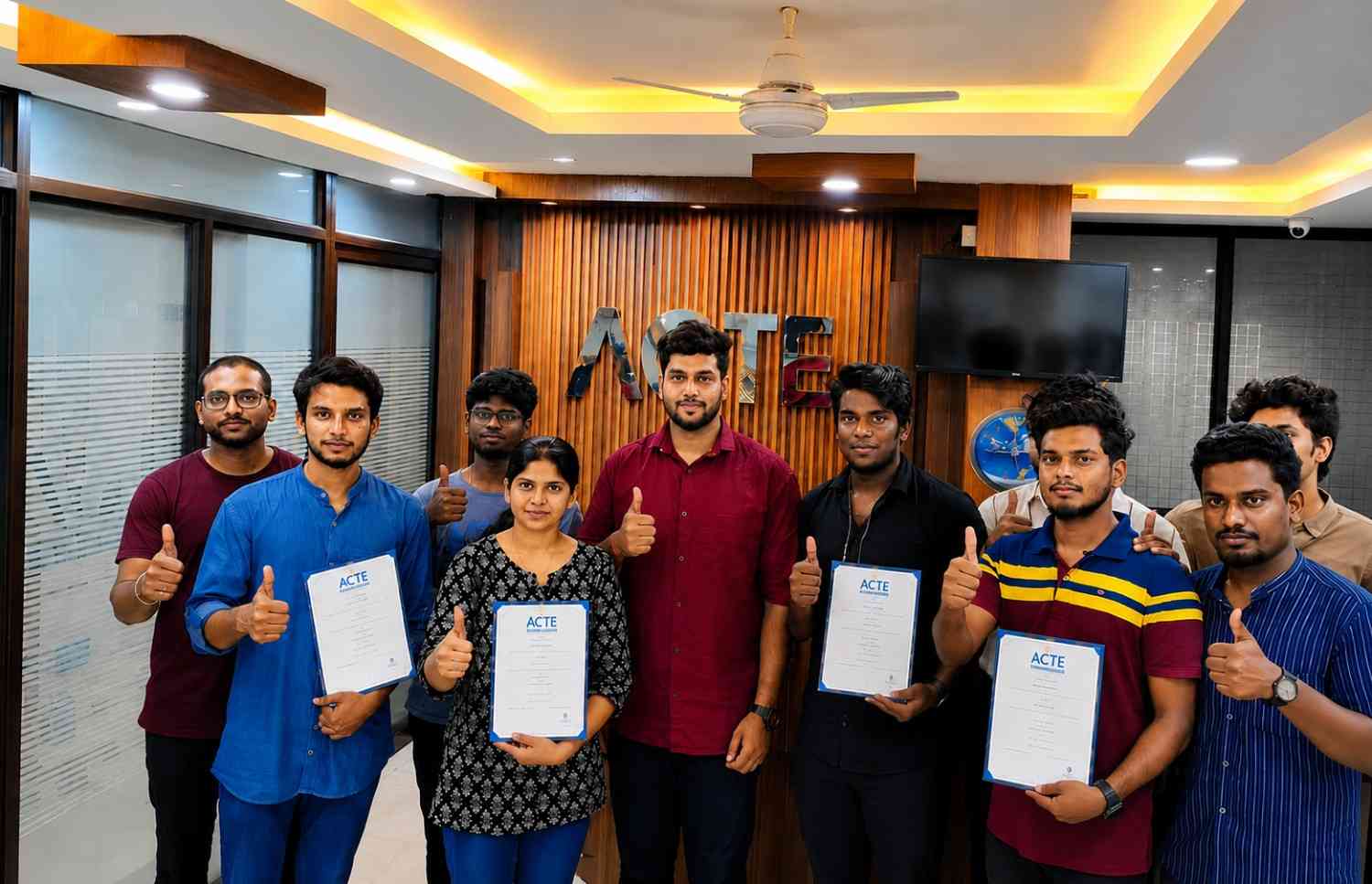

Placement Assistance

Exclusive access to ACTE Job portal

Mock Interview Preparation

1 on 1 Career Mentoring Sessions

Career Oriented Sessions

Resume & LinkedIn Profile Building
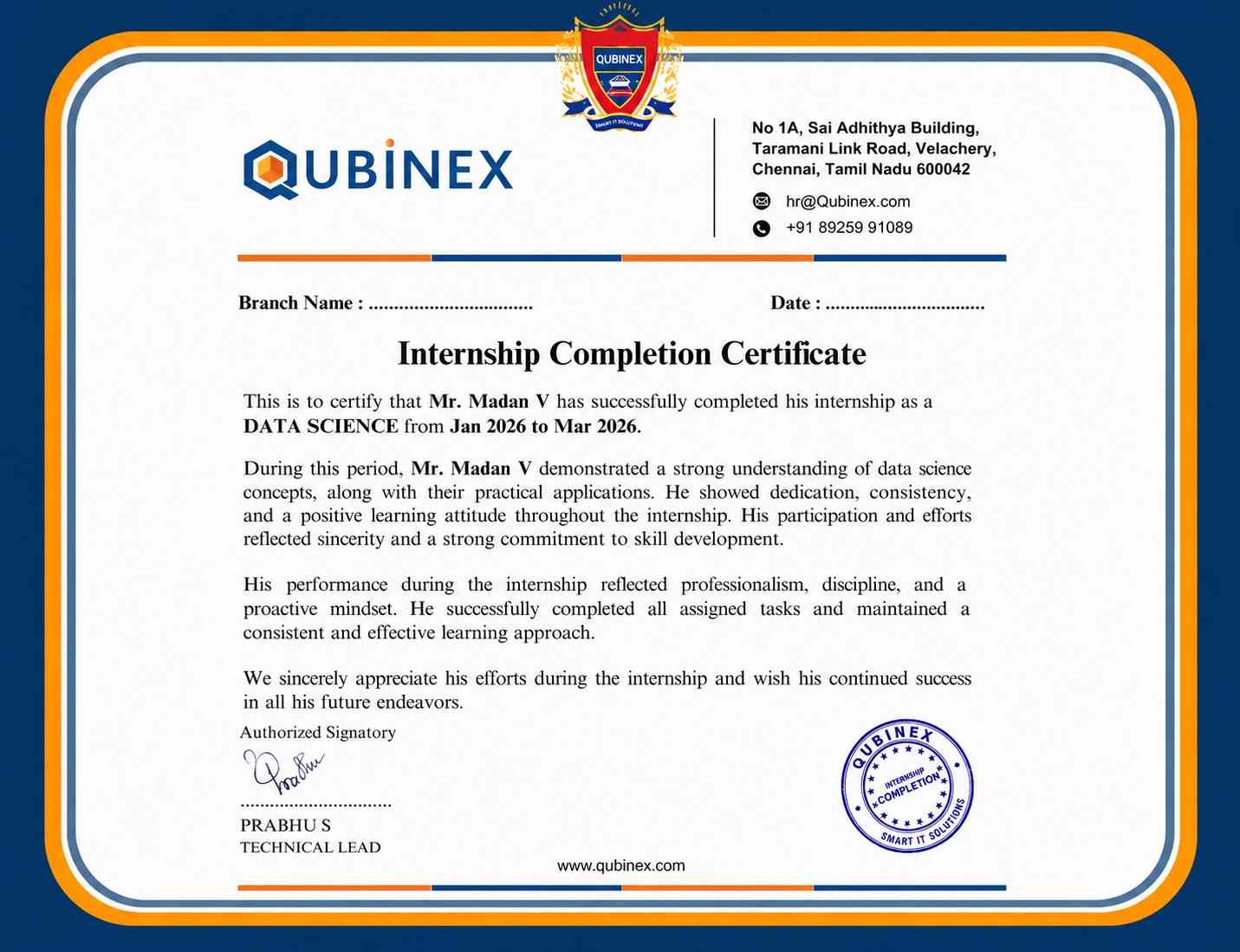
Get Advanced Full Stack Certification
You'll receive a certificate proving your industry readiness.Just complete your projects and pass the pre-placement assessment.This certification validates your skills and prepares you for real-world roles.


📜 Industry-Recognized Certification
Earn official, shareable certifications recognized by top companies — a powerful proof of your job-ready skills.
🚀 Get Discovered by Top Employers
Let recruiters come to you with your verified profile — focus on learning while we connect you to real opportunities.
💼 Real-World Project Experience
Work on real-world projects to sharpen your skills and build a portfolio that impresses employers instantly.

Lowest Full Stack Developer Course Fees
Affordable, Quality Training for Freshers to Launch IT Careers & Land Top Placements.
Full Stack Course FAQs
1. How long does the Full Stack Developer Certification Training take?
The duration of Full Stack Developer Training program depends on the learning mode you choose. Typically it ranges from the 2 to 6 months, including hands-on projects and certification preparation.
2. Why do learners say ACTE's online classes are so effective?
Many students find ACTE's online classes highly effective because the sessions are interactive, beginner-friendly and led by experienced trainers. The training includes real time projects and practical examples that make learning easy and job oriented.
3. Are the ACTE Intensive program timings flexible?
Yes, ACTE offers flexible timings to suit your schedule. Whether you are a student or working professional you can choose from weekday, weekend or fast track batches based on your availability.
4. What happens if I have questions during the course?
If you get any doubts while learning, ACTE provides full support through live sessions, Q&A forums and 1-on-1 mentor guidance. You will never be stuck help is always just a message away.
5. Why should I start learning from the basics at ACTE Intensive?
Learning from the fundamentals helps you build a strong foundation. ACTEs training is structured to guide you step-by-step making it easier to understand advanced concepts later and apply them confidently in real projects.
1. What is the eligibility for a Full Stack Developer course?
Anyone with basic computer knowledge and a strong interest in web development can join a Full Stack Developer course. There is no strict requirement for a specific degree or background students, graduates, or working professionals from any stream can apply.
2. Why can anyone looking for a tech job join this program, regardless of their background?
The course is designed for beginners and covers everything from scratch, making it easy for learners from non-technical backgrounds to follow along. It focuses on practical skills and hands-on training, so anyone with the right dedication can succeed, no matter their educational history.
3. Can a non-IT person learn Full Stack Development?
Yes, absolutely! Full Stack Development is a skill anyone can learn with the right training and practice. Many non-IT professionals have switched to tech careers by learning step-by-step through beginner-friendly courses and hands-on experience.
4. How are graduates with career gaps still getting tech jobs?
Career gaps are no longer a major barrier when you have in-demand skills. By learning Full Stack Development, building real-world projects, and preparing for interviews, many learners with career breaks are successfully getting placed in tech roles.
5. How are many graduates with B.A, B.Com, B.Sc, or MBA degrees getting tech jobs?
Many graduates from non-IT fields are landing tech jobs after learning Full Stack Development because companies value practical skills over degrees. These learners build strong portfolios with real-time projects and get trained in job-ready tools and technologies, which makes them competitive in the job market.
1. Who can get placement support after completing the course?
To be eligible for placement support, you need to complete the full course, attend all practical sessions, and complete the assigned projects and assessments. You must also follow the training schedule and actively participate in the placement preparation program.
2. What should I do to successfully receive a job placement?
You need to attend all placement training sessions like resume building, mock interviews, and job application guidance. It's also important to regularly apply for jobs, respond to interview calls, and maintain a professional attitude throughout the placement process.
3. Who will guide me during the career planning session and how will it help?
An experienced industry mentor will conduct your career planning session. This session will help you to identifing your strengths, set clear career goals, and guide you with personalized advice on how to get your desired job role faster.
4. What type of internship can I expect after the program and where will it be offered?
After completing the program, you may get internship opportunities in web development, software development or application support roles with our partner companies. These internships could be remote or at company offices depending on the availability.
1. What Certifications Are Offered in the Full Stack Developer Training?
In our Full Stack Developer Training you can earn multiple industry relevant certifications based on your chosen technology stack. These include:
- MEAN Stack Developer Certification
- MERN Stack Developer Certification
- Java Full Stack Developer Certification
- JavaScript Full Stack Developer Certification
- Angular Full-Stack Developer Certification
2. Does Receiving Certification as Full Stack Developer Guarantee Employment?
Yes earning a Full Stack Developer Certification significantly increases your chances of getting hired. It shows employers that you have the skills and knowledge needed for the role. We also provide 100% job assistance, including resume building, mock interviews, and direct connections to hiring companies, making it easier to land a job.
3. How Long Does It Take to Become Certified as a Full Stack Developer?
The time to become certified can vary, but most Full Stack Developer Certification programs take between 3 to 6 months. This depends on your learning pace, the course format (weekday, weekend, or fast-track), and the amount of hands-on practice you complete during training.
4. What Are the Benefits of Full Stack Developer Certification?
A Full Stack Developer Certification helps you stand out in the job market, boosts your resume and shows that you’re ready for real world development work. It opens doors to better job roles, higher salary packages and opportunities in top tech companies. It also gives you confidence in both front end and back end development.
5. How Can I Prepare Effectively for the Full Stack Developer Certification Exam?
To prepare effectively, focus on mastering the core technologies such as HTML, CSS, JavaScript, React, Node.js and databases. Practice building real-world projects, review training materials regularly and take mock tests if available. Make use of expert guidance, study groups and code daily to improve your understanding and readiness for the certification exam.
1. What are the different options available to pay the course fee?
You can pay the course fee using various options like credit card, debit card, net banking, UPI or digital wallets. We also accept payments through bank transfers.
2.Is the Fee of the Training the Same in Every City?
Yes, we offer the same training fee across all cities to ensure equal access and opportunities for every learner no matter where they are located.
3. Is the course fee suitable for beginners?
Yes, the course is a good choice for beginners who want to learn web development fully. It prepares you for jobs and you build a career with better pay.
4. Why do training center fees vary?
The fees change based on things like how long the course is, how experienced the trainer is, and what kind of support is given. Centers with better training setups or extra services may charge more.
100% Job Guarantee
Global Quality Training At The Lowest Fees & Expert Trainer
Available in:









